


My Best Strategy For a New Product-Based Business

April 26, 2016 / Updated: February 25, 2026
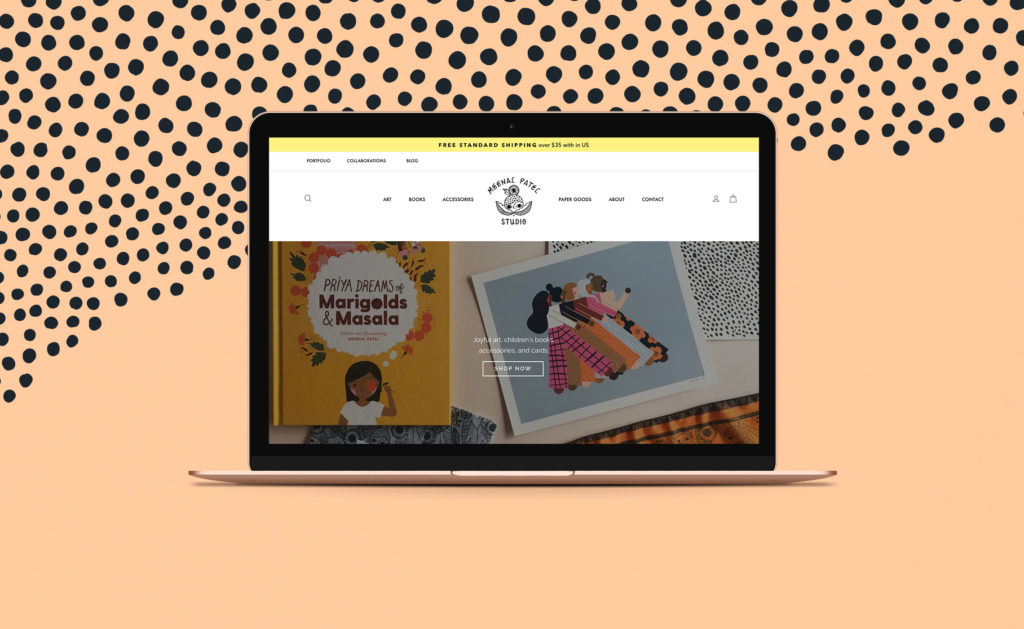
Meenal Patel website theme for an artist, illustrator, and writer.
Are you selling your product in person or on Amazon or Etsy and thinking about setting up your own ecommerce shop? Or maybe you’re ready to start a business, but haven’t taken the steps to set up an online presence yet. Let’s talk about how to get started and make sure you’re putting your best foot forward online with our product-based business strategy.
The best product-based business strategy
Many new business owners come to me wondering which tasks to do in what order when building a business. That gets me thinking about what my specific strategy would be for a new business. If I were starting a product-based business right now, this is what I would personally do.
Brand the business
I would develop a dream customer profile and figure out what my business offers that not even my closest competitor does.
I’d brainstorm a business name that appeals to my dream customers and is memorable and unique. I’d do a trademark search to be sure the name wasn’t in use by another business in the same field. As soon as it looked safe to use, I’d purchase the domain name (and social media handles) and put up a quick “coming soon” web page to establish my claim to the business name. I’d get help registering my trademark through a trademark attorney, such as Indie Law.
Once the name was decided, I would handle the logistics, tax setup, and legal requirements. This varies by location and business type, so I’m not going to offer any specific advice here. I’d personally check with my accountant about the new business and ask what I’d need to do to get it legal in my state.
Based on the information I’d been creating about the personality behind my brand, I’d develop a memorable brand identity and design graphics to use everywhere I promote my business.
How to create the logo and brand graphics? If the product business were a whim I was trying out, I have a background in graphic design, and I would probably struggle with this myself for a long time and end up with something good enough. If the business were serious and I were planning for it to be my full-time livelihood, I would invest in professional graphic design from the start, because I’ve seen over and over how much easier it makes marketing efforts. Email me if this is the stage you’re at.
Think about my pricing and sales channels
I would work to find reasonable costs for materials by taking advantage of wholesale and bulk discounts, and work on a pricing strategy that would enable me to sell to wholesale customers in the future and grow my business. Consider how to make pricing work for wholesale.
If I were planning to sell wholesale, I would hang on every word that Katie Hunt from Proof to Product says, or join her coaching group to be sure I was doing everything right.
And if I were planning a brick-and-mortar store, I’d call on Chris Guillot of Merchant Method to avoid costly mistakes. If there were a local resource for small businesses (for me, it’s the Good Business Network of Washington), I’d join and see how they could help.
I’d keep an eye on fulfillment companies for smaller brands, like Shipfluence, so I could stop shipping out of my own home as soon as possible.
Plan a marketing strategy
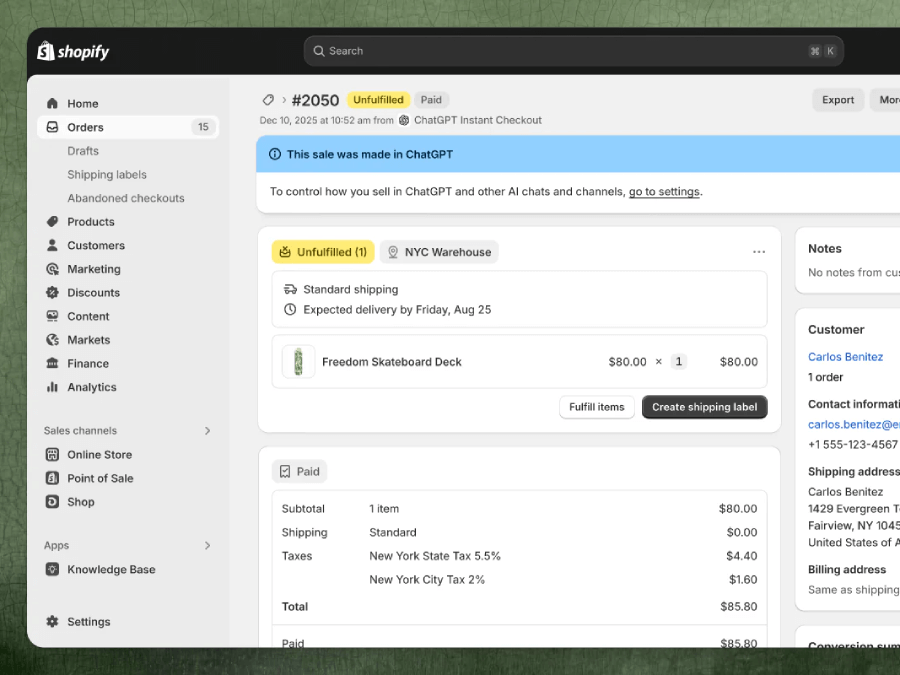
I would choose a handful of ways to sell and promote my work. The ones most likely to work best for my business type. With Shopify, I could set up my shop and use their multi-channel sales tools to also sell on social media and other channels.
I would start with a mailing list from day one (in fact, from day negative 40 – I’d want to build excitement in advance of my launch, and get the emails of whoever was interested). I’d set up a rough editorial calendar of what I want to post about and when. I would plan a blog and write a month’s worth of posts in advance.
As a creative product-based business, I might focus most of my social media plan on Instagram and/or TikTok, but make sure my blog auto-posts to any other social platforms that make sense. At least at first, I would set aside time each day to engage on 2-3 social media platforms.
As a person with an existing business, I already have a social media following, and I would leverage that. If you have another business, a blog, or anything else that has a following on the internet, use that to your advantage. If you’re thinking of moving from Amazon or Etsy to Shopify (or setting up a second shop on Shopify), start engaging with your customers right away, as much as your marketplace allows you to, to get them excited about your new brand or website.
If you’re starting from absolute zero, making connections online is going to be important. Start doing that now! Find groups of peers and colleagues and contribute to the discussion. Help people out in preparation for the day you might want some help. Start getting to know the people who may end up being champions of your work in the future.
Prepare my website content
If my startup budget allowed, I would hire a skilled photographer to take styled lifestyle shots of my products. Beautiful photography is key for selling online, and investing in just a few photos for the home page and other parts of the site would be a high priority.
I would make sure my photos were beautiful, with good lighting, views of different angles of the product, and clear detail. I would probably take the individual product photos on white backgrounds myself, using something like a Foldio photo studio and my iPhone. Or I would use a service like Soona to take care of the product photography.
I’d write copy for the site, keeping my dream customer in mind and clearly explaining the benefits of my product. I feel like a pretty decent writer. If I didn’t, I would hire a professional copywriter to help out with the most important parts of the site (the home page, about page, and my flagship product).
If I already had a shop on Etsy or Amazon, I would take the existing information and product descriptions and adjust them for my new shop. It’s likely I would need fewer instructions in my descriptions once they’re not on Etsy, and it’s always a good idea to write something new for Google so they don’t see you creating “copies” of your shop across the internet and think you’re a spammer.
Purchase a domain name and set up a website
I’d purchase my own domain name and use that everywhere when marketing my business. I would set up a simple shop on Shopify using their most affordable plan until I got enough sales to make it worth upgrading. The bar is low at $30 a month, and if I couldn’t make a profit after a few months, I’d need to reevaluate my product and marketing strategy.
I would choose a theme from the Shopify theme store that I liked a lot right out of the box. I would tinker with the theme settings, add my logo, change the fonts and colors, and make it match my brand’s design. Having a site professionally designed for my business once it saw some success would be my goal.
I would add all the content I’d been preparing and check that every page on the site was customized for my shop and looked good. I’d get my social media links in there. If I had a marketplace shop, I might import my listings or use this as a chance to start fresh and get them just right.
I would test my shop myself at both desktop and smartphone sizes and make sure it looked good and worked well across sizes and devices. Then I’d ask friends or family to search for and purchase a certain thing, and I’d ask them to walk through it with me, taking notes. Or I’d set up Microsoft Clarity to see heatmaps and watch videos of my site in use.
Launch with a splash
I’d work to launch with a big splash! I’d use my connections to ask people who also speak to my target audience (without being competitors) to share the news about my new shop, and there would be some type of celebration, discount, or giveaway. I would pre-write social media blurbs and blog posts for the people I most wanted to have share my news, making it as easy as possible for them. I would offer to guest post on targeted blogs around my launch date, and work to get my products in gift guides.
I’d look into hiring a PR firm specializing in small businesses, such as Wolf Craft, or use their resources and guidance to DIY my PR.
I was impressed by this article on Shopify about getting press for your business, and I’d read through this and make a similar strategy for myself: How Two Friends Turned Up The Heat and Sold $170k Worth of Spicy Honey in 10 Months
I would also be building up to the launch on social media and in my newsletter during the period I was putting the shop together.
If I had the budget to do ads, I’d work with someone like Jess Gleim, who could teach me how to do it myself until I could afford to completely delegate it.
Experiment and adjust
After launch, I would check sales, stats, and conversions. I’d experiment with what worked well and what didn’t, and adjust accordingly. Before abandoning a sales method, I’d see if I could tweak it to do a better job there.
I’d pay close attention to customer comments and feedback and do what I could to make shopping and checkout easier, and to make my promotional posts more appealing and newsletters more interesting. Good feedback would mean I’d do even more of that in the future. Bad or no feedback (combined with no sales) would mean that I needed to improve or be more engaging.
Would you like some help with this?
We’re your team! Read more about how we help new businesses. Contact us today to learn more about our services and rates.
Forecasting Your ROI

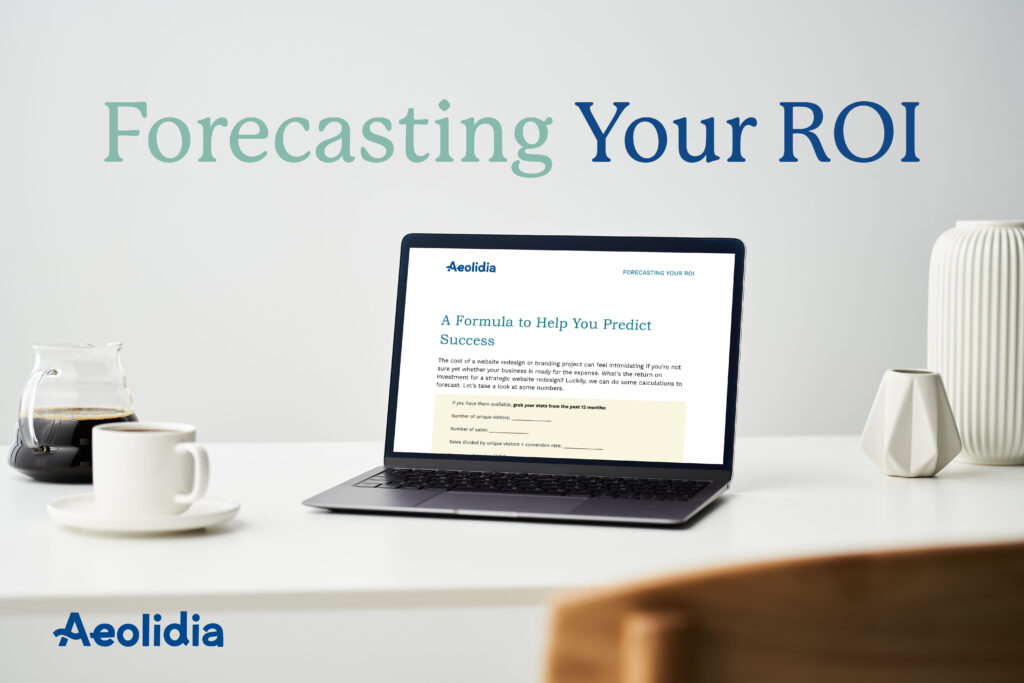
Aeolidia aims to be a step towards 10x-ing a business, not just a 10% improvement. Is it time for your business to take this step?
Browse by Category

A Newsletter That Goes Beyond Shopify 101
It’s easy to find beginner info about ecommerce online. If you’re past that? Subscribe to our newsletter for advanced strategies and need-to-know info for established shops.
Learn how the top shops grow:
Related Posts


Tools & Guides




Courses & Webinars
4 thoughts on “My Best Strategy For a New Product-Based Business”
Leave a Comment


Let's take your online shop to the next level
The Shopify websites we design have a reputation for substantial improvements to ecommerce conversion rates and online sales. Let's talk!
Thanks Arianne. These are good points I did not think of. Photography is absolutely key! 100%
I’m so glad this was helpful to you, Clarice!
This is the bee’s knees!
So many helpful tips thank you!
I’m happy to hear it, Katie!